A QUEST FOR SPEED. NOEL BADDOW POPE, 1909-1971. SURBITON’S FORGOTTEN RECORD BREAKER.
Noel Baddow Pope was born in Toxteth, a sub-district of Liverpool, on Christmas Eve, 1909. He moved with his widowed mother to Surbiton before 1926.

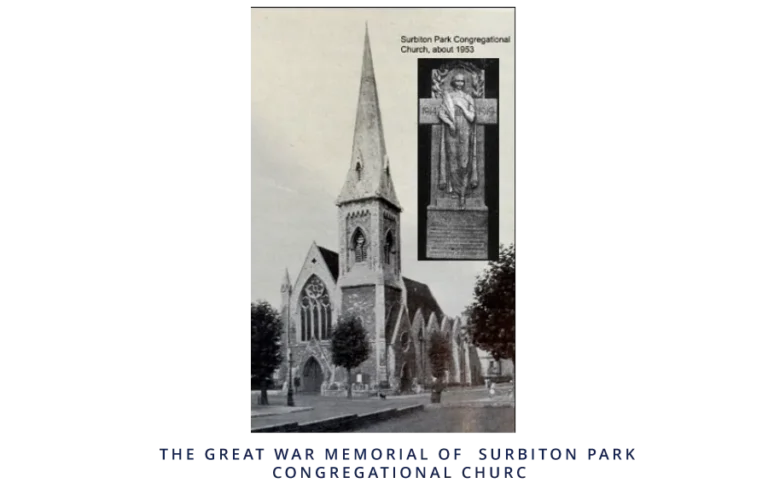
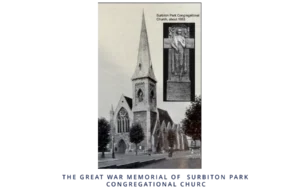
A war memorial panel was unveiled in Surbiton Park Congregational Church on 12 November 1922. It commemorated eight men, one of whom was a civilian. Of the four enlisted men, two died in England. Private Hart died of heatstroke when training in Aldershot, and Private Palmer died, following measles, in a military hospital in Dover. Two men died on the Western Front in France or Flanders. Private Newby died of wounds, and Private Thane was killed in action. Of the three officers, 2nd Lieutenant Horace Payne was killed in air combat on the Western Front, and his brother, 2nd Lieutenant Henry Payne, died in a flying accident in the Dover area. Lieutenant Stephen Read probably died of influenza in East Africa after the Armistice. His brother, Charles Read, was a civilian medical student who died, after the Armistice, in King’s College Hospital, London, following influenza. Both would have been victims of the Spanish Influenza pandemic. The church was demolished in the late 1960s, and the fate of the memorial was not discovered.