TWO SPANISH INFLUENZA VICTIMS IN SURBITON CEMETERY
The pandemic of 1918-1920 of what was known as “Spanish Influenza” killed about 250,000 people in Britain.

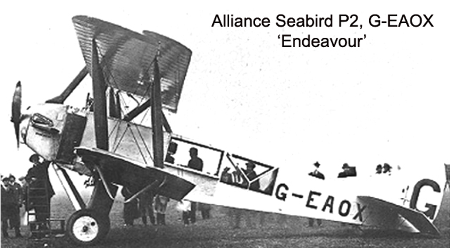
On 13 November 1919, an aeroplane named Endeavour took off from Hounslow aerodrome [TW4 5AF] on the first leg of a journey to Australia. Sadly, it crashed just over five miles away, in Lower Marsh Lane, Surbiton [KT1 3BN] and both occupants, Lieutenants James Ross and Roger Douglas, of the Australian Flying Corps, were killed. They were in pursuit of a prize of £10,000 offered by the Australian Government for the first aeroplane to fly from England to Australia within 30 days. According to newspapers, which varied in detail, the inquest’s verdict was that the deaths were due to accidental causes and no specific person was to blame. However, questions posed by interested parties remained unanswered. The report of the Air Council’s inquiry was not available, but The Times reported an official conclusion that the pilot, flying low because of thick mist, had stalled the aeroplane and thereafter it went into a spin before it crashed. Endeavour was designed for high flying and, as the pilot, Roger Douglas, sat behind the navigator, he had limited forward vision. After the disaster, James Peters, Endeavour’s designer, left the aircraft industry and The Alliance Company withdrew from the market.
The pandemic of 1918-1920 of what was known as “Spanish Influenza” killed about 250,000 people in Britain.
The Kingston upon Thames Debtors’ Prison existed from 1829-1852 and was situated in what is today Bath Passage.
A fundraising Lenten talk in support of “The Bread of Life” charity of the Sons of Divine Providence.
Audrey Giles’ new book evolved from the research of a family anecdote about a railway accident in 1904 in which her grandfather, George Spencer, was seriously injured.